With SEMS Category Management, centralise your data, analyse your spend, build category strategies and drive the initiatives that deliver lasting savings.
The information needed to manage categories is often scattered across ERPs, Excel files, contracts, tenders, supplier data and dashboards. This fragmentation limits visibility, slows decisions and makes it hard to track purchasing strategies. SEMS brings all this information together in a single environment to turn each category into a structured, collaborative and measurable roadmap.
Spend, suppliers, contracts and initiatives are tracked in several tools.
Purchasing directions sometimes rely on one-off analyses that are hard to share.
Initiatives, responsibilities, deadlines and gains are managed in separate files.
Expected, validated and actually achieved savings are not always reconciled.
Structure, analyse and manage your purchasing categories to maximise value and performance.
Structure your purchasing families and prioritize actions by stake.
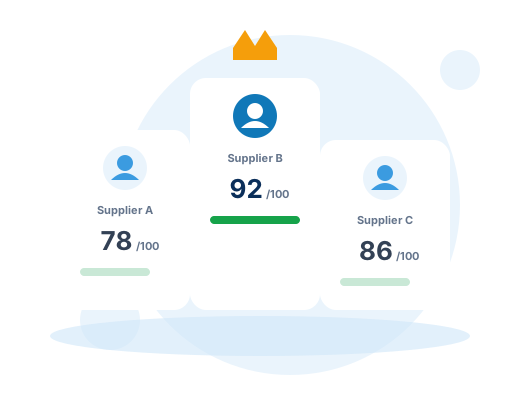
Study trends and supplier positioning by category.
Learn moreDefine negotiation strategies tailored to each category.
Learn moreAccess a consolidated view of the spend, suppliers, contracts, risks, tenders and initiatives linked to each purchasing category.
Analyse committed amounts by category, sub-category, supplier, entity, site, project, country or period.
Identify spend concentration, dependencies, strategic suppliers and rationalisation opportunities.
Measure the share of spend covered by contracts and anticipate key deadlines.
Find the tenders, negotiations, awards and terms obtained for each category.
Centralise operational, financial, regulatory, supplier and CSR risks.
Track objectives, initiatives, savings, lead times and KPIs for each category.
SEMS adapts to your organisation's structure and maturity. Build a clear classification to analyse spend and define responsibilities. Example: Indirect purchasing → IT → Software → SaaS solutions.
Not every category should be managed the same way. SEMS helps you analyse their importance, complexity and risk exposure to choose the most suitable strategy. The Kraljic matrix positions each category by financial impact and risk level in four zones: non-critical, leverage, bottleneck and strategic items.
Position categories by financial impact and risk level.
Assess supplier, operational, financial, regulatory and geopolitical risks.
Document trends, price changes, innovations and available alternatives.
Measure dependency on specific suppliers, technologies, products or regions.
Identify the business units involved, their needs, constraints and influence on the strategy.
Formalise directions, objectives, levers and decisions in a collaborative space accessible to all stakeholders. For each category, define:
SEMS helps purchasing teams turn analyses into concrete performance levers.
Launch an RFQ or tender to obtain better terms.
Pool the needs of several entities or sites to increase your negotiating power.
Reduce spend fragmentation and concentrate volumes on the best-performing suppliers.
Prepare renewals based on deadlines, history and existing terms.
Harmonise references, specifications and service levels.
Identify alternative solutions, products or suppliers.
Challenge the volumes, frequencies and service levels actually needed.
Compare solutions by Total Cost of Ownership, not just purchase price.
A strategy only has value once it is executed. Convert identified opportunities into structured initiatives and track their delivery until results are validated. Lifecycle: Identified → To study → Validated → Planned → In progress → Completed → Gains confirmed.
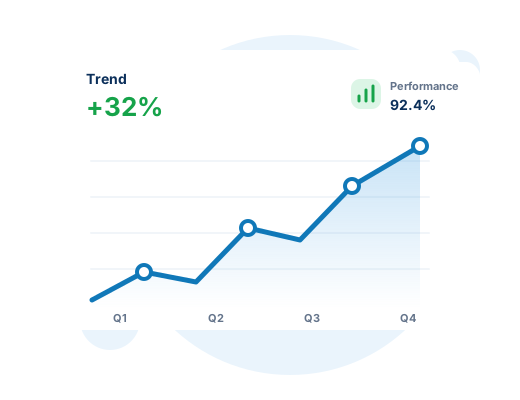
Track savings from identification to validation and measure each category's contribution to the organisation's financial objectives.
Involve the right stakeholders in the analysis, definition, validation and execution of each category strategy. Approval workflow: Category Manager → Purchasing management → Business units → Finance → Executive management. Statuses: In preparation, To validate, Validated, To revise.
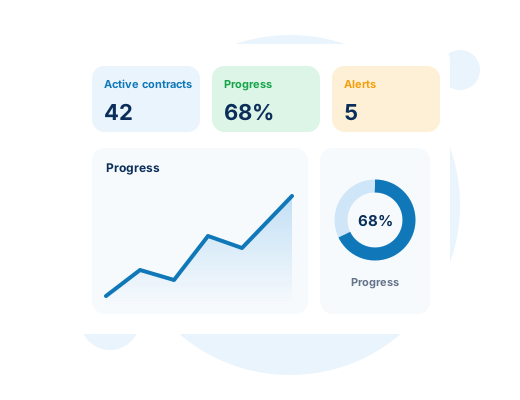
Access consolidated dashboards to track strategies, opportunities, initiatives, risks and results across your organisation. Available filters: Year, Entity, Country, Category Manager, Purchasing family, Status.
Centralise the information needed to understand each category.
Apply a common method to all categories and entities.
Identify, prioritise and execute more opportunities.
Base your directions on reliable, consolidated data.
Align Purchasing, Business units, Finance and Management.
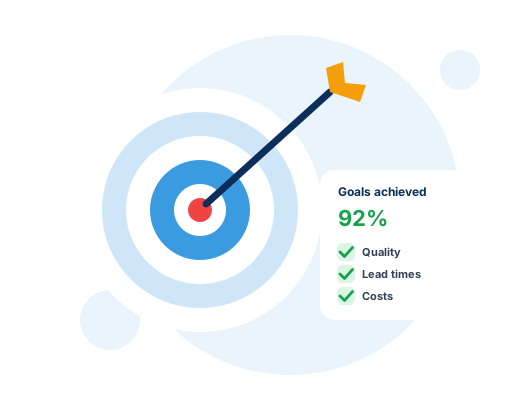
Track expected, validated and achieved gains precisely.
Category Management connects analysis, strategy and execution to turn each category into measurable results.
Discover the moduleSEMS Category Management integrates with the other modules of the suite to create a continuous purchasing process, from spend analysis to results measurement.
Centralize, analyze, and categorize your spend to identify potential savings, negotiate more…
Centralize supplier information and strengthen the reliability of your supplier ecosystem.
Digitize your entire sourcing process with SEMS E-Sourcing. From preparing an RFI, RFQ, RFP …
Digitize your contract lifecycle, from preparation and validation through renewal or closure…
With SEMS, turn your validated needs into supplier purchase orders that comply with your pro…
Structure and track all your procurement budget envelopes in a single shared repository.
Discover how SEMS Category Management can help your organisation structure its purchasing strategies, accelerate initiative execution and demonstrate the value created.